White Wine Blends 2 Items
You're no longer following this brand
You'll no longer receive alerts for new arrivals and brand updates
- All White Wine
- Other White Blends clear Wine Type filter
- Bordeaux White Blends 1
- Rhône White Blends 1
- Non-Vintage 156
- 2025 24
- 2024 150
- 2023 251
- 2022 318
- 2021 364
- 2020 360
- 2019 316
- 2018 318
- 2017 311
- 2016 397
- 2015 1063
- 2014 1298
- 2013 1174
- 2012 883
- 2011 709
- 2010 572
- 2009 429
- 2008 317
- 2007 272
- 2006 210
- 2005 154
- 2004 138
- 2003 125
- 2002 118
- 2001 115
- 2000 122
- 1999 73
- 1998 38
- 1997 27
- 1996 17
- 1995 8
- 1994 5
- 1993 5
- 1992 1
- 1991 1
- 1990 clear Vintage filter
- 1988 4
- 1985 1
- 1984 1
- 1983 1
- 1981 1
- 1970 1
-
Product Types Any
-
Gift Type Any
-
Occasion Any
-
Curated Set Contents Any
-
Spirit Type Any
-
Wine Type Other White Blends
-
Region Any
-
Availability Include Out of Stock
-
Size & Type Any
-
Fine Wine Any
-
Vintage 1990
-
Reviewed By Any
-
Sort By Relevancy
-
 Ships TomorrowLimit 120 per customerSold in increments of 1
 -
 R. Lopez de Heredia Rioja Vina Tondonia Reserva Blanco 1990Rioja, Spain ● Other White Blends
-
Wine
Spectator
Ships TomorrowLimit 120 per customerSold in increments of 0 -
Wine
Browse by Category
Red White Sparkling Rosé Spirits GiftsWith hundreds of white grape varieties to choose from ...
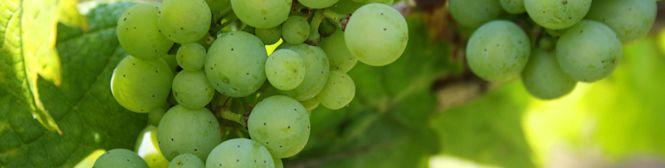
With hundreds of white grape varieties to choose from, winemakers have the freedom to create a virtually endless assortment of blended white wines. In many European regions, strict laws are in place determining the set of varieties that may be used in white wine blends, but in the New World, experimentation is permitted and encouraged. Blending can be utilized to enhance balance or create complexity, lending different layers of flavors and aromas. For example, a variety that creates a soft and full-bodied white wine blend, like Chardonnay, would do well combined with one that is more fragrant and naturally high in acidity. Sometimes small amounts of a particular variety are added to boost color or aromatics. Blending can take place before or after fermentation, with the latter, more popular option giving more control to the winemaker over the final qualities of the wine.