Châteauneuf-du-Pape 1 Items

You're no longer following this brand
You'll no longer receive alerts for new arrivals and brand updates
- Non-Vintage 1
- 2023 9
- 2022 17
- 2021 19
- 2020 27
- 2019 37
- 2018 30
- 2017 28
- 2016 35
- 2015 34
- 2014 16
- 2013 18
- 2012 36
- 2011 28
- 2010 54
- 2009 39
- 2008 11
- 2007 46
- 2006 36
- 2005 41
- 2004 17
- 2003 38
- 2002 clear Vintage filter
- 2001 29
- 2000 30
- 1999 19
- 1998 28
- 1997 3
- 1996 5
- 1995 8
- 1994 4
- 1993 2
- 1990 3
- 1989 7
- 1988 1
- 1981 1
- 1979 1
-
Gift Type Any
-
Occasion Any
-
Variety Any
-
Varietal Red Wine
-
Region Chateauneuf-du-Pape
-
Availability Include Out of Stock
-
Size & Type Any
-
Fine Wine Collectible
-
Vintage 2002
-
Reviewed By Any
-
Sort By Relevancy
-
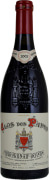 Clos des Papes Chateauneuf-du-Pape (stained label) 2002Chateauneuf-du-Pape, Rhone, France ● Rhone Red Blends
- Collectible
Ships Sun, May 31Limit 0 per customerSold in increments of 0
Browse by Category
Red White Sparkling Rosé Spirits GiftsLearn about Chateauneuf-du-Pape wine, common tasting notes, where the region is and more ...
Famous for its full-bodied, seductive and spicy reds with flavor and aroma characteristics reminiscent of black cherry, baked raspberry, garrigue, olive tapenade, lavender and baking spice, Châteauneuf-du-Pape is the leading sub-appellation of the southern Rhône River Valley. Large pebbles resembling river rocks, called "galets" in French, dominate most of the terrain. The stones hold heat and reflect it back up to the low-lying gobelet-trained vines. Though the galets are typical, they are not prominent in every vineyard. Chateau Rayas is the most obvious deviation with very sandy soil.
According to law, eighteen grape varieties are allowed in Châteauneuf-du-Pape and most wines are blends of some mix of these. For reds, Grenache is the star player with Mourvedre and Syrah coming typically second. Others used include Cinsault, Counoise and occasionally Muscardin, Vaccarèse, Picquepoul Noir and Terret Noir.
Only about 6-7% of wine from Châteauneuf-du-Pape is white wine. Blends and single-varietal bottlings are typically based on the soft and floral Grenache Blanc but Clairette, Bourboulenc and Roussanne are grown with some significance.
The wine of Chateauneuf-du-Pape takes its name from the relocation of the papal court to Avignon. The lore says that after moving in 1309, Pope Clément V (after whom Chateau Pape-Clément in Pessac-Léognan is named) ordered that vines were planted. But it was actually his successor, John XXII, who established the vineyards. The name however, Chateauneuf-du-Pape, translated as "the pope's new castle," didn’t really stick until the 19th century.