Pomerol Bordeaux, France 1 Items
You're no longer following this brand
You'll no longer receive alerts for new arrivals and brand updates
- 2025 1
- 2024 1
- 2023 7
- 2022 18
- 2021 10
- 2020 35
- 2019 36
- 2018 29
- 2017 22
- 2016 34
- 2015 40
- 2014 39
- 2013 20
- 2012 39
- 2011 41
- 2010 53
- 2009 47
- 2008 33
- 2007 13
- 2006 26
- 2005 37
- 2004 16
- 2003 9
- 2002 2
- 2001 13
- 2000 40
- 1999 18
- 1998 22
- 1997 11
- 1996 12
- 1995 13
- 1994 8
- 1993 2
- 1992 1
- 1990 6
- 1989 6
- 1988 3
- 1987 3
- 1986 3
- 1985 2
- 1984 1
- 1983 3
- 1982 4
- 1981 1
- 1978 1
- 1976 clear Vintage filter
- 1971 1
- 1970 1
- 1945 1
-
Gift Type Any
-
Occasion Any
-
Variety Any
-
Varietal Any
-
Region Pomerol
-
Availability Include Out of Stock
-
Size & Type Standard (750ml)
-
Fine Wine Any
-
Vintage 1976
-
Reviewed By Any
-
Sort By Relevancy
-
 Ships Sat, May 30Limit 0 per customerSold in increments of 0
Browse by Category
Red White Sparkling Rosé Spirits GiftsLearn about Pomerol wine, common tasting notes, where the region is and more ...
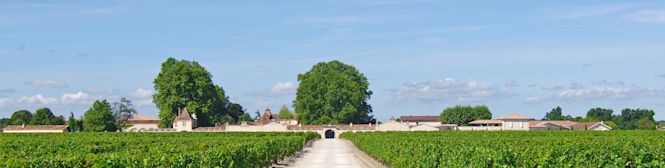
A source of exceptionally sensual and glamorous red wines, Pomerol is actually a rather small appellation in an unassuming countryside. It sits on a plateau immediately northeast of the city of Libourne on the right bank of the Dordogne River. Pomerol and St-Émilion are the stars of what is referred to as Right Bank Bordeaux: Merlot-dominant red blends completed by various amounts of Cabernet Franc or Cabernet Sauvignon. While Pomerol has no official classification system, its best wines are some of the world’s most sought after.
Historically Pomerol attached itself to the larger and more picturesque neighboring region of St-Émilion until the late 1800s when discerning French consumers began to recognize the quality and distinction of Pomerol on its own. Its popularity spread to northern Europe in the early 1900s.
After some notable vintages of the 1940s, the Pomerol producer, Petrus, began to achieve great international attention and brought widespread recognition to the appellation. Its subsequent distribution by the successful Libourne merchant, Jean-Pierre Mouiex, magnified Pomerol's fame after the Second World War.
Perfect for Merlot, the soils of Pomerol—clay on top of well-drained subsoil—help to create wines capable of displaying an unprecedented concentration of color and flavor.
The best Pomerol wines will be intensely hued, with qualities of fresh wild berries, dried fig or concentrated black plum preserves. Aromas may be of forest floor, sifted cocoa powder, anise, exotic spice or toasted sugar and will have a silky, smooth but intense texture.