Pauillac Bordeaux, France 2 Items
You're no longer following this brand
You'll no longer receive alerts for new arrivals and brand updates
- Pauillac clear Nested Region filter
- Standard (750ml) clear Special Designation filter
- Non-Vintage 3
- 2025 11
- 2024 14
- 2023 28
- 2022 27
- 2021 21
- 2020 34
- 2019 43
- 2018 35
- 2017 28
- 2016 32
- 2015 32
- 2014 35
- 2013 7
- 2012 30
- 2011 27
- 2010 41
- 2009 35
- 2008 22
- 2007 12
- 2006 24
- 2005 28
- 2004 20
- 2003 14
- 2002 17
- 2001 14
- 2000 22
- 1999 12
- 1998 14
- 1997 11
- 1996 12
- 1995 14
- 1994 10
- 1993 7
- 1992 7
- 1991 4
- 1990 14
- 1989 9
- 1988 12
- 1987 3
- 1986 9
- 1985 14
- 1984 3
- 1983 4
- 1982 9
- 1981 4
- 1980 1
- 1979 5
- 1978 2
- 1976 clear Vintage filter
- 1975 6
- 1974 1
- 1972 1
- 1971 2
- 1970 2
- 1966 2
- 1959 1
- 1955 1
- 1953 1
- 1945 1
-
Product Types Any
-
Gift Type Any
-
Occasion Any
-
Curated Set Contents Any
-
Spirit Type Any
-
Wine Type Any
-
Region Pauillac
-
Availability Include Out of Stock
-
Size & Type Standard (750ml)
-
Fine Wine Any
-
Vintage 1976
-
Reviewed By Any
-
Sort By Relevancy
-
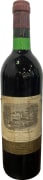 Chateau Lafite Rothschild (bin soiled label) 1976Pauillac, Bordeaux, France ● Bordeaux Red Blends
-
James
Suckling -
Robert
Parker
Ships today if ordered in next 8 hoursLimit 120 per customerSold in increments of 0 -
James
-
 Chateau Pichon Longueville Comtesse de Lalande (bin soiled label) 1976Pauillac, Bordeaux, France ● Bordeaux Red BlendsShips today if ordered in next 8 hoursLimit 120 per customerSold in increments of 0
Browse by Category
Red White Sparkling Rosé Spirits GiftsLearn about Pauillac wine, common tasting notes, where the region is and more ...
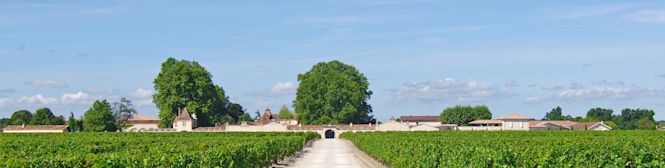
The leader on the Left Bank in number of first growth classified producers within its boundaries, Pauillac has more than any of the other appellations, at three of the five. Chateau Lafite Rothschild and Mouton Rothschild border St. Estephe on its northern end and Chateau Latour is at Pauillac’s southern end, bordering St. Julien.
While the first growths are certainly some of the better producers of the Left Bank, today they often compete with some of the “lower ranked” producers (second, third, fourth, fifth growth) in quality and value. The Left Bank of Bordeaux subscribes to an arguably outdated method of classification that goes back to 1855. The finest chateaux in that year were judged on the basis of reputation and trading price; changes in rank since then have been miniscule at best. Today producers such as Chateau Pontet-Canet, Chateau Grand Puy-Lacoste, Chateau Lynch-Bages, among others (all fifth growth) offer some of the most outstanding wines in all of Bordeaux.
Defining characteristics of fine wines from Pauillac (i.e. Cabernet-based Bordeaux Blends) include inky and juicy blackcurrant, cedar or cigar box and plush or chalky tannins.
Layers of gravel in the Pauillac region are key to its wines’ character and quality. The layers offer excellent drainage in the relatively flat topography of the region allowing water to run off into “jalles” or streams, which subsequently flow off into the Gironde.