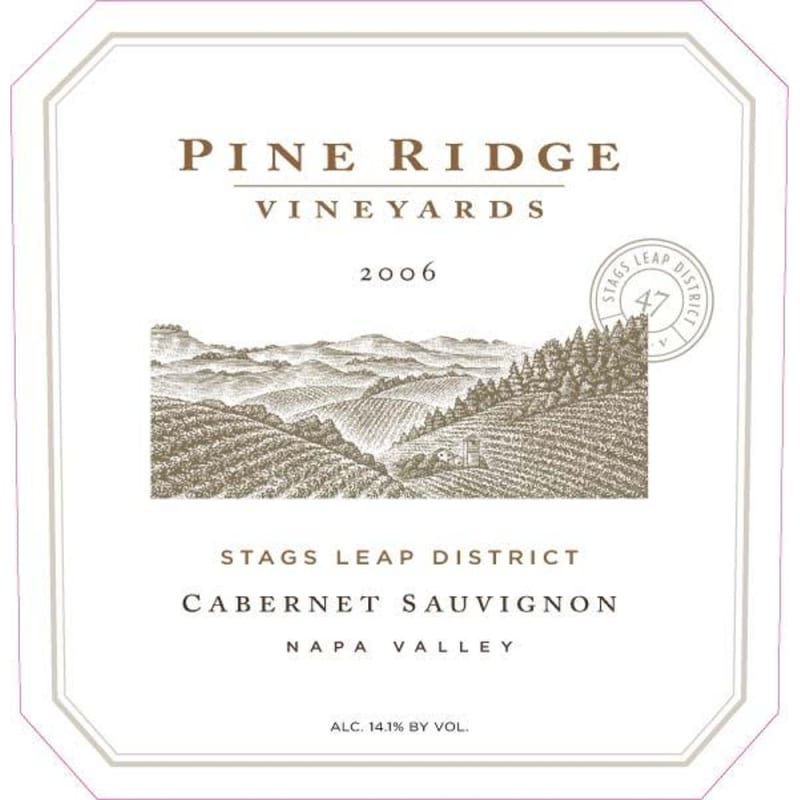

Winemaker Notes
A deep ruby-purple hue indicates the intensity and depth of this youthful wine. The lush nose of dark cherry, cassis, blueberry and smoke melds smoothly into the youthful palate. Dense dark cherry and berry fruit, cocoa and tobacco notes balance the substantial, fine-grained tannins for a sumptuously full-bodied wine. Can be enjoyed now with decanting or aged for 10 to 15 years.
Though powerful, this wine pairs well with food due to its fine tannins and classic balance. It will complement deeply flavored dishes like espresso-rubbed tenderloin or herbed lamb, but also has the grace and delicacy to accompany simple grilled pork or chicken. As it matures, try it with hard, aged cheeses to savor the intricate flavors revealed by bottle age.
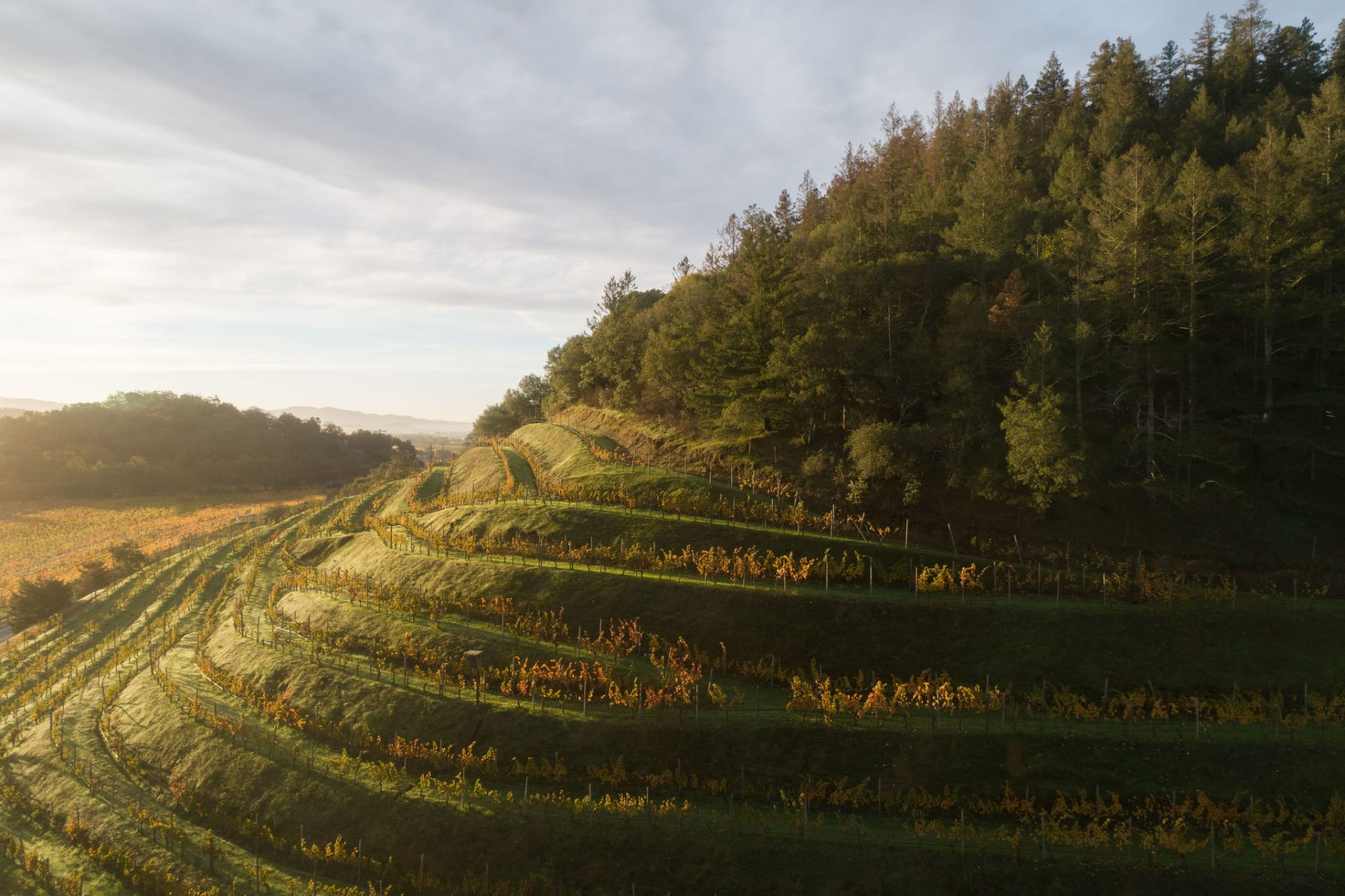


Founded in 1978, Pine Ridge Vineyards sits in the heart of the Stags Leap District of Napa Valley, tucked beneath of ridge of pines that speak to the dramatic geologic origins of our home and unique soils. For over 40 years the winery has become a pioneer farming and vinifying Bordeaux grapes with a focus on Cabernet Sauvignon. Today, Pine Ridge Vineyards farms a collection of 160 acres of Napa Green sustainably certified estate vineyards across Oakville, Rutherford, Howell Mountain and Carneros, including 47 acres in the Stags Leap District.
The winery’s Chenin Blanc + Viognier bottling started out as an experimental blend over twenty-five years ago and is now one of the most beloved and highly acclaimed white wines available. Original and unique, this fresh white wine blend is crafted to be fresh, fruity and easy to pair and enjoy. The wine has also inspired a Pine Ridge Sparkling wine also made with Chenin Blanc and a splash of Viognier.

One of the most prestigious wines of the world capable of great power and grace, Napa Valley Cabernet is a leading force in the world of fine, famous, collectible red wine. Today the Napa Valley and Cabernet Sauvignon are so intrinsically linked that it is difficult to discuss one without the other. But it wasn’t until the 1970s that this marriage came to light; sudden international recognition rained upon Napa with the victory of the Stag’s Leap Wine Cellars 1973 Cabernet Sauvignon in the 1976 Judgement of Paris.
Cabernet Sauvignon undoubtedly dominates Napa Valley today, covering half of the land under vine, commanding the highest prices per ton and earning the most critical acclaim. Cabernet Sauvignon’s structure, acidity, capacity to thrive in multiple environs and ability to express nuances of vintage make it perfect for Napa Valley where incredible soil and geographical diversity are found and the climate is perfect for grape growing. Within the Napa Valley lie many smaller sub-AVAs that express specific characteristics based on situation, slope and soil—as a perfect example, Rutherford’s famous dust or Stags Leap District's tart cherry flavors.