

Winemaker Notes
Body: Full Flavor Profile: Honey, Lemon, Tropical Fruit Food Pairing: exceptional on its own or with sharp cheeses, pastries, fruit tarts and foie gras

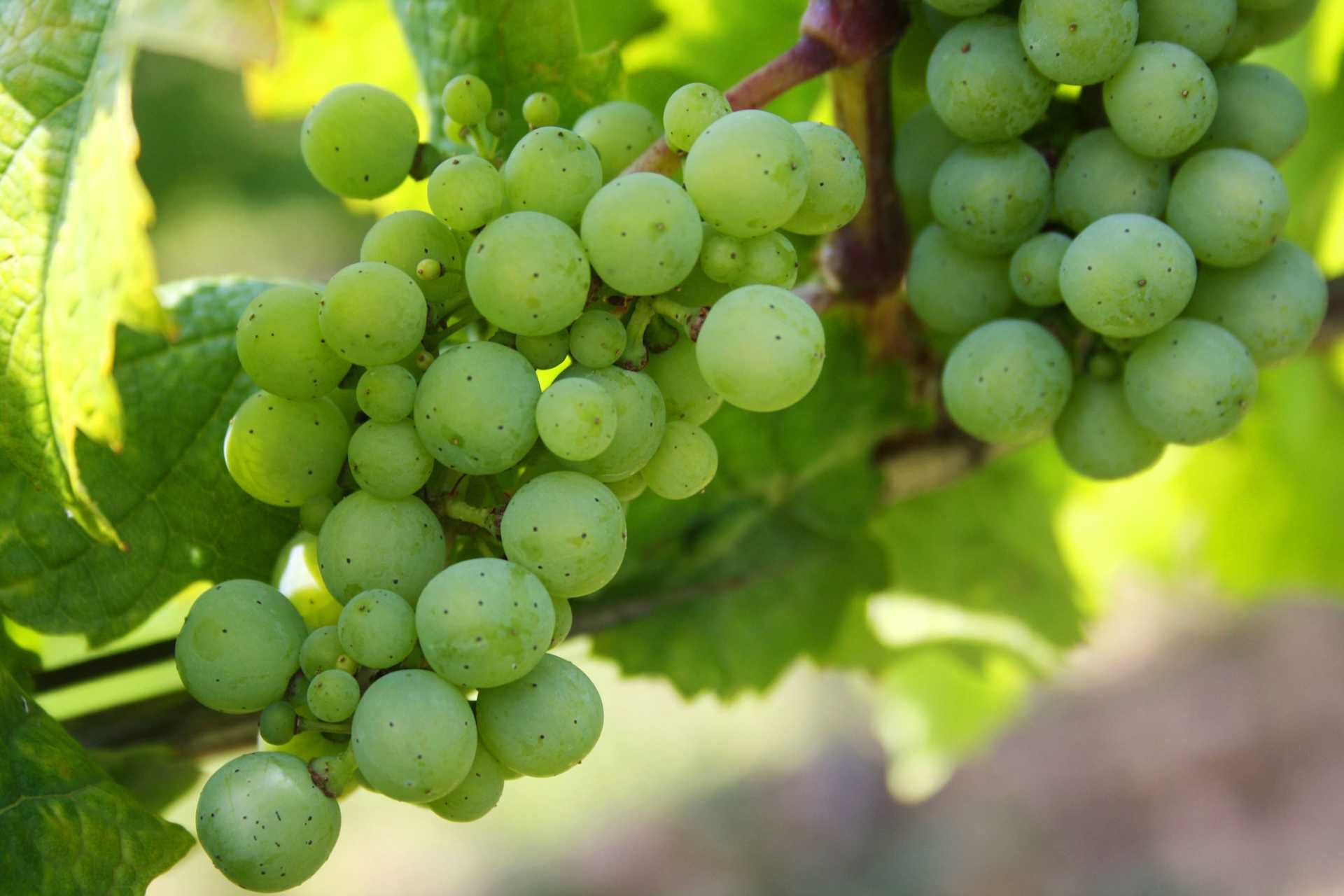
With hundreds of white grape varieties to choose from, winemakers have the freedom to create a virtually endless assortment of blended white wines. In many European regions, strict laws are in place determining the set of varieties that may be used in white wine blends, but in the New World, experimentation is permitted and encouraged. Blending can be utilized to enhance balance or create complexity, lending different layers of flavors and aromas. For example, a variety that creates a soft and full-bodied white wine blend, like Chardonnay, would do well combined with one that is more fragrant and naturally high in acidity. Sometimes small amounts of a particular variety are added to boost color or aromatics. Blending can take place before or after fermentation, with the latter, more popular option giving more control to the winemaker over the final qualities of the wine.

With a cool climate suitable for more than just icewine production, Canada is also home to excellent dry, still and sparkling Canadian wines. Most viticulture is based in Ontario on the east coast and British Columbia on the west coast. Because of the high risk of winter freeze and spring frost, plantings are typically centered on large bodies of water to take advantage of their temperature moderating effects.
In Ontario, particularly on the Niagara Peninsula, aromatic white varieties like Riesling and Gewürztraminer are most successful. Many Canadian wineries produce both dry and semi-dry versions. Chardonnay, Pinot Noir, Gamay, and Cabernet Franc perform nicely here as well. For icewine, French-American hybrid variety, Vidal, is popular. In British Columbia, many of the same grapes are grown, but there is also a significant emphasis on Bordeaux varieties—especially Merlot.