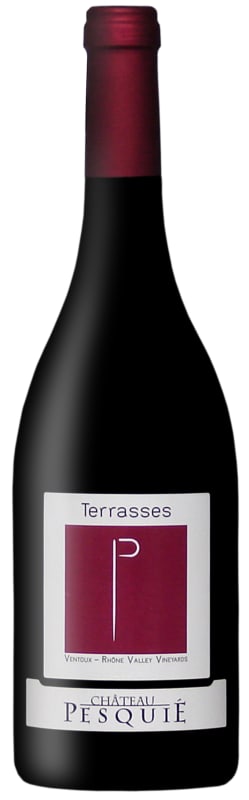


Winemaker Notes
The Côtes du Ventoux region is characterized by alternating hills and valleys. To make the most of this exceptional terroir, grape growers and other farmers had to accomplish the colossal feat of building terracesinto the steep hillsides, choosing especially well-protected, sunny locations.
Professional Ratings
-
Robert Parker's Wine Advocate
The 2007 Terrasses Rouge is a custom cuvee put together for importer Eric Solomon. Made from 60-year-old Grenache and 30-year-old Syrah, one-third is aged in small barrels and the rest in foudre and tank. I’m sure discounters will offer this cuvee for around $12 a bottle, which makes it a remarkable bargain. A dense ruby/purple color is followed by aromas of cassis, kirsch, lavender, pepper, and spice. The sweetness of the tannins, abundant glycerin, razor sharp focus, and wonderful depth make for a wine that transcends its humble price and bucolic appellation. Drink it over the next 2-3 years.


With bold fruit flavors and accents of sweet spice, Grenache, Syrah and Mourvèdre form the base of the classic Rhône Red Blend, while Carignan, Cinsault and Counoise often come in to play. Though they originated from France’s southern Rhône Valley, with some creative interpretation, Rhône blends have also become popular in other countries. Somm Secret—Putting their own local spin on the Rhône Red Blend, those from Priorat often include Merlot and Cabernet Sauvignon. In California, it is not uncommon to see Petite Sirah make an appearance.

A long and narrow valley producing flavorful red, white, and rosé wines, the Rhône is bisected by the river of the same name and split into two distinct sub-regions—north and south. While a handful of grape varieties span the entire length of the Rhône valley, there are significant differences between the two zones in climate and geography as well as the style and quantity of Rhône wines produced. The Northern Rhône, with its continental climate and steep hillside vineyards, is responsible for a mere 5% or less of the greater region’s total output. The Southern Rhône has a much more Mediterranean climate, the aggressive, chilly Mistral wind and plentiful fragrant wild herbs known collectively as ‘garrigue.’
In the Northern Rhône, the only permitted red variety is Syrah, which in the appellations of St.-Joseph, Crozes-Hermitage, Hermitage, Cornas and Côte-Rôtie, it produces velvety black-fruit driven, savory, peppery red wines often with telltale notes of olive, game and smoke. Full-bodied, perfumed whites are made from Viognier in Condrieu and Château-Grillet, while elsewhere only Marsanne and Roussanne are used, with the former providing body and texture and the latter lending nervy acidity. The wines of the Southern Rhône are typically blends, with the reds often based on Grenache and balanced by Syrah, Mourvèdre, and an assortment of other varieties. All three northern white varieties are used here, as well as Grenache Blanc, Clairette, Bourbelenc and more. The best known sub-regions of the Southern Rhône are the reliable, wallet-friendly Côtes du Rhône and the esteemed Châteauneuf-du-Pape. Others include Gigondas, Vacqueyras and the rosé-only appellation Tavel.