
Winemaker Notes
Professional Ratings
-
James Suckling
Complex aromas of brown sugar, sweet tobacco and dark fruits. Turns to hints of prunes and cocoa. Full-bodied, with ultra fine tannins and a wonderful length. Refined and silky. Beautiful balance. Such wonderful length. Turns chewy yet very polished.
Barrel Sample: 94-95 Points -
Robert Parker's Wine Advocate
Like its stablemate La Mission-Haut-Brion, Haut-Brion’s 2011 production was small, only 7,600 cases, which is nearly 3,000 fewer cases than in 2009. A blend of 46% Cabernet Sauvignon, 35% Merlot and 19% Cabernet Franc, it is interesting to taste the 2011 Haut-Brion next to the more open-knit, seductive 2011 La Mission Haut-Brion. The former wine is more firm, backward and earthy with a more formidably structured style. Undeniably elegant, distinctive and original, it exhibits notes of mulberries, plums, blueberries and raspberries. Jean-Philippe Delmas told me that in many ways the 2011 reminds him of the 2008 from an aromatic and structural profile. There is plenty of tannin, and the 2011 has 25-30 years of aging potential. It may be more reminiscent of a vintage such as 1988, but it is better made as well as being the product of a far stricter selection process.
Barrel Sample: 93-95 Points -
Wine Enthusiast
This wine has an intense herbaceous quality, with fruit and nutmeg flavors. It feels and tastes powerful, with alcoholic warmth and a taut and nervy character.
Barrel Sample: 93-95 Points -
Wine Spectator
This packs some serious density for the vintage, with layers of braised fig, blackberry pâte de fruit and dark currant paste, all inlaid with lively briar, tobacco leaf and roasted apple wood notes. Shows lots of energy through the finish, with the grip generating a mouthwatering feel. One of the stars of the vintage. Best from 2018 through 2035.


One of the world’s most classic and popular styles of red wine, Bordeaux-inspired blends have spread from their homeland in France to nearly every corner of the New World. Typically based on either Cabernet Sauvignon or Merlot and supported by Cabernet Franc, Malbec and Petit Verdot, the best of these are densely hued, fragrant, full of fruit and boast a structure that begs for cellar time. Somm Secret—Blends from Bordeaux are generally earthier compared to those from the New World, which tend to be fruit-dominant.

Recognized for its superior reds as well as whites, Pessac-Léognan on the Left Bank claims classified growths for both—making it quite unique in comparison to its neighboring Médoc properties.
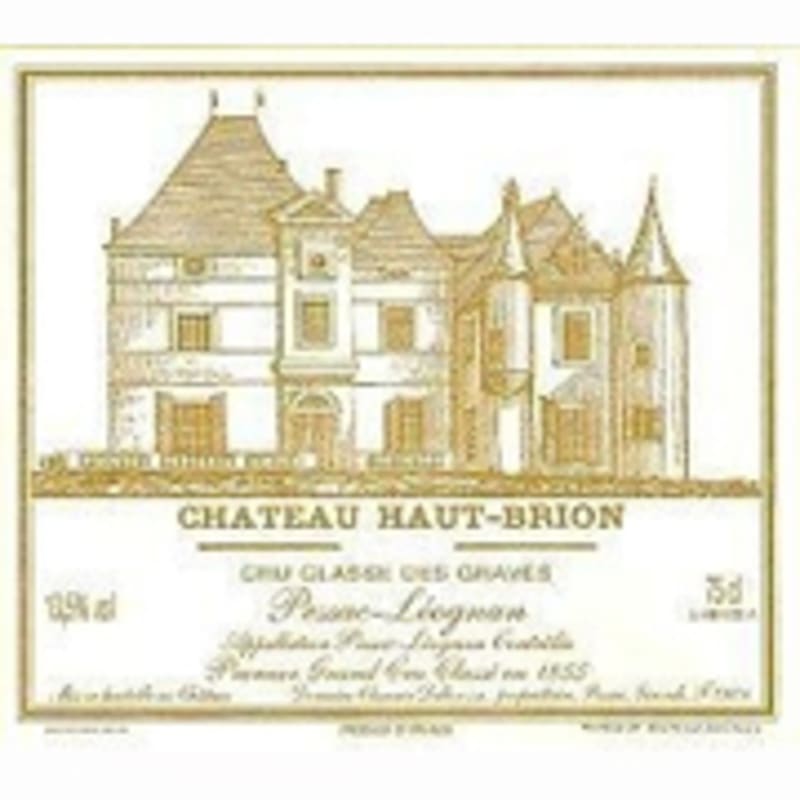
Pessac’s Chateau Haut-Brion, the only first growth located outside of the Médoc, is said to have been the first to conceptualize fine red wine in Bordeaux back in the late 1600s. The estate, along with its high-esteemed neighbors, La Mission Haut-Brion, Les Carmes Haut-Brion, Pique-Caillou and Chateau Pape-Clément are today all but enveloped by the city of Bordeaux. The rest of the vineyards of Pessac-Léognan are in clearings of heavily forested area or abutting dense suburbs.
Arid sand and gravel on top of clay and limestone make the area unique and conducive to growing Sémillon and Sauvignon blanc as well as the grapes in the usual Left Bank red recipe: Cabernet Sauvignon, Merlot, Cabernet Franc and miniscule percentages of Petit Verdot and Malbec.
The best reds will show great force and finesse with inky blue and black fruit, mushroom, forest, tobacco, iodine and a smooth and intriguing texture.
Its best whites show complexity, longevity and no lack of exotic twists on citrus, tropical and stone fruit with pronounced floral and spice characteristics.